Phone Cable Types Explained in Bangladesh 2026 – USB-A, USB-C, Lightning
Phone Cable Types Explained in Bangladesh 2026 – USB-A, USB-C, Lightning
Cables connect phones to chargers and computers. Different cable types serve different purposes. This comprehensive guide covers everything about cable types available at mobile.com.bd.
Cables are essential accessories. Different cables offer different speeds. Understanding cable types helps you choose. This guide explains all options.
Connector Types
Different connectors serve different devices. Here are common connector types.
USB-A: USB-A is the traditional rectangular connector. It is common on chargers and computers. It is being replaced by USB-C. It supports various speeds.
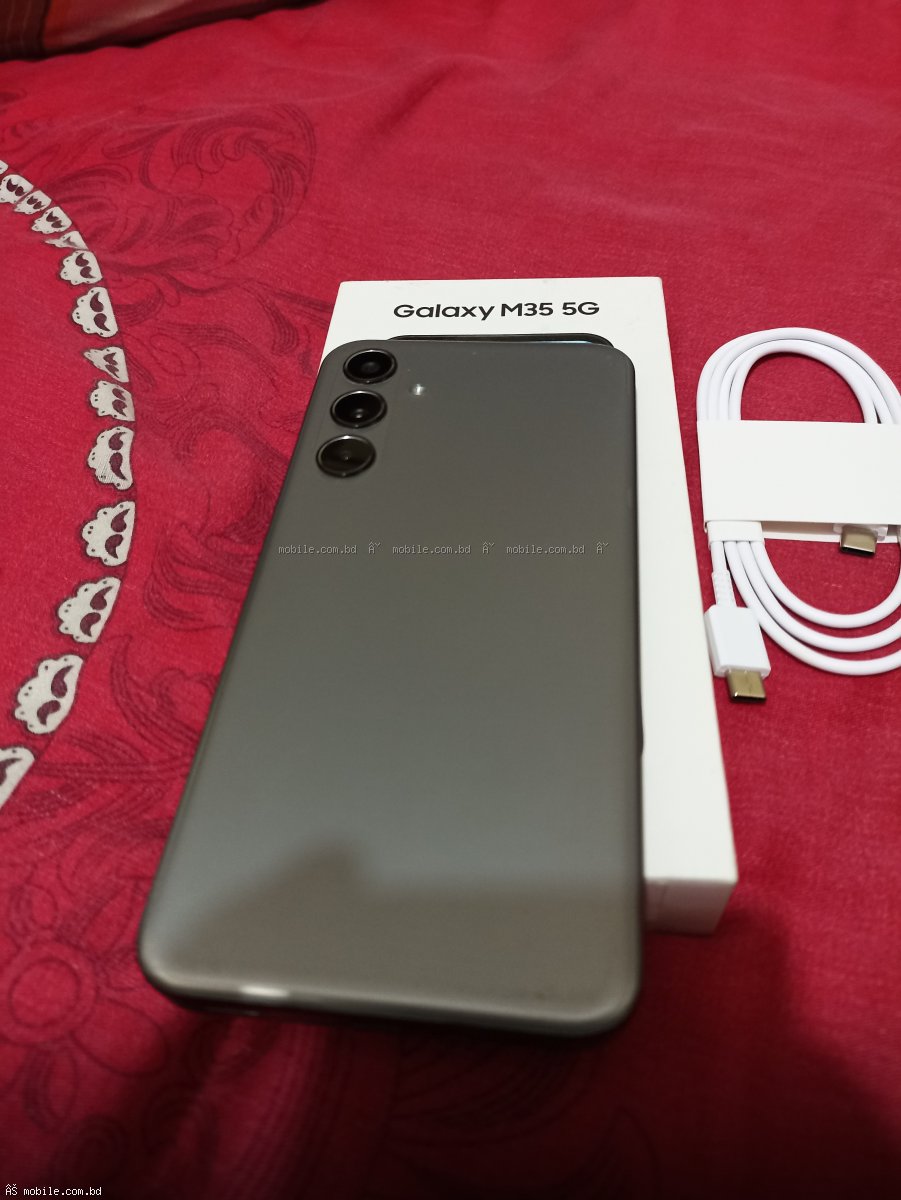
USB-C: USB-C is the modern standard. It is small and reversible. It supports fast charging and data. It is used on most new phones.
Lightning: Lightning is Apple proprietary connector. It is used on iPhones. It supports fast charging. It requires MFi certification.
Micro-USB: Micro-USB is the older standard. It is used on budget phones. It is being replaced by USB-C. It supports basic charging.
Cable Combinations
Different combinations serve different needs. Here are common cable combinations.
USB-A to USB-C: Connects USB-C devices to USB-A chargers. Common for Android phones. Supports fast charging. Widely available.
USB-C to USB-C: Connects USB-C devices to USB-C chargers. Supports fastest charging. Supports fastest data transfer. Future-proof option.
USB-A to Lightning: Connects iPhones to USB-A chargers. Common for older chargers. Supports fast charging. Requires MFi certification.
USB-C to Lightning: Connects iPhones to USB-C chargers. Supports fastest iPhone charging. Future-proof for iPhones. Requires MFi certification.
USB-A to Micro-USB: Connects older phones to USB-A chargers. Common for budget phones. Supports basic charging. Being replaced by USB-C.
Cable Specifications
Different specifications affect performance. Understanding specs helps you choose.
Power Rating: Cables have power ratings. 3A cables support up to 60W. 5A cables support up to 100W. 6A cables support higher power.
Data Speed: Cables have data speed ratings. USB 2.0 provides 480Mbps. USB 3.0 provides 5Gbps. USB 3.1 provides 10Gbps.
Cable Length: Length affects performance. Longer cables have more resistance. Shorter cables charge faster. 1m is a good balance.
Cable Gauge: Gauge affects current capacity. Lower gauge means thicker wire. Thicker wires carry more current. 24AWG is good for fast charging.
Types of Cable Construction
Different constructions offer different durability. Here are common types.
PVC Cables: PVC cables are standard and affordable. They offer basic durability. They can crack over time. They are suitable for stationary use.
Braided Cables: Braided cables have nylon exterior. They resist tangling and fraying. They are more durable. They are recommended for daily use.
Flat Cables: Flat cables resist tangling. They are easy to store. They are less durable. They are good for travel.
Reinforced Cables: Reinforced cables have extra protection. They have stronger connectors. They last longer. They are good for heavy use.
How to Choose the Right Cable
Consider these factors when choosing a cable.
Device Compatibility: Check your device connector. Match cable to device. Consider future devices. USB-C is most future-proof.
Charging Speed: Match cable to charger power. Higher power needs better cables. Use cables rated for your charger. Avoid bottlenecks.
Data Transfer Needs: Consider data transfer speed. USB 2.0 is fine for basic use. USB 3.0 is good for file transfer. USB 3.1 is best for large files.
Durability: Consider how you use cables. Braided cables last longest. Reinforced cables are durable. Choose based on usage.
Length: Consider where you use cables. Shorter cables charge faster. Longer cables are convenient. Choose based on needs.
Cable Safety
Cable safety is important. Follow these guidelines for safe use.
Use Certified Cables: Certified cables are tested for safety. Look for USB-IF certification. MFi certification for Apple. Avoid uncertified cables.
Avoid Damaged Cables: Damaged cables are dangerous. They can cause shorts or fires. Replace damaged cables immediately. Do not use cables with exposed wires.
Avoid Cheap Cables: Cheap cables lack safety features. They may damage your phone. They pose safety risks. Invest in quality cables.
Top Cables at mobile.com.bd
mobile.com.bd offers cables in Bangladesh. We have cables for all devices and needs.
Our USB-C cables provide fast charging and data. Available from 300-1,000 BDT for quality cables.
Our Lightning cables are MFi certified. Available from 500-1,500 BDT for iPhones.
Our braided cables provide durability. Available from 400-1,200 BDT for daily use.
All cables at mobile.com.bd are 100 percent genuine with official warranty. We carefully source products from authorized distributors to ensure authenticity and quality.
Why Buy from mobile.com.bd
All cables at mobile.com.bd are 100 percent genuine with official warranty. We carefully source products from authorized distributors to ensure authenticity and quality. Our cables come with original packaging and full warranty coverage.
Shop cables at mobile.com.bd/cables with official warranty and free delivery. Connect your devices today.