Mobile Phone Case Materials Explained – TPU, PC, Silicone, Aramid Fiber and Leather in Bangladesh 2026
Mobile Phone Case Materials Explained – TPU, PC, Silicone, Aramid Fiber and Leather in Bangladesh 2026
When choosing a phone case, the material matters more than you might think. Material determines how well a case absorbs impact, whether it interferes with wireless charging, how it ages over time, and how much bulk it adds to your phone [citation:3]. This comprehensive guide explains the different phone case materials available in Bangladesh, helping you make an informed decision for your device.
Why Case Material Matters
A 2mm TPU case and a 0.6mm aramid fiber case can both survive a waist-height drop, but they do it completely differently. TPU deforms on impact, absorbing energy through flex. Aramid fiber distributes force across a rigid lattice structure without deforming. Neither approach is universally better, but each has conditions where it outperforms the other [citation:3].
Material determines everything else: heat dissipation, signal compatibility, long-term appearance, and structural integrity after repeated impacts. A case that yellows in three months or blocks your 5G signal has failed at its job, regardless of how well it absorbed that one drop [citation:3].
TPU (Thermoplastic Polyurethane) – The Most Common Material
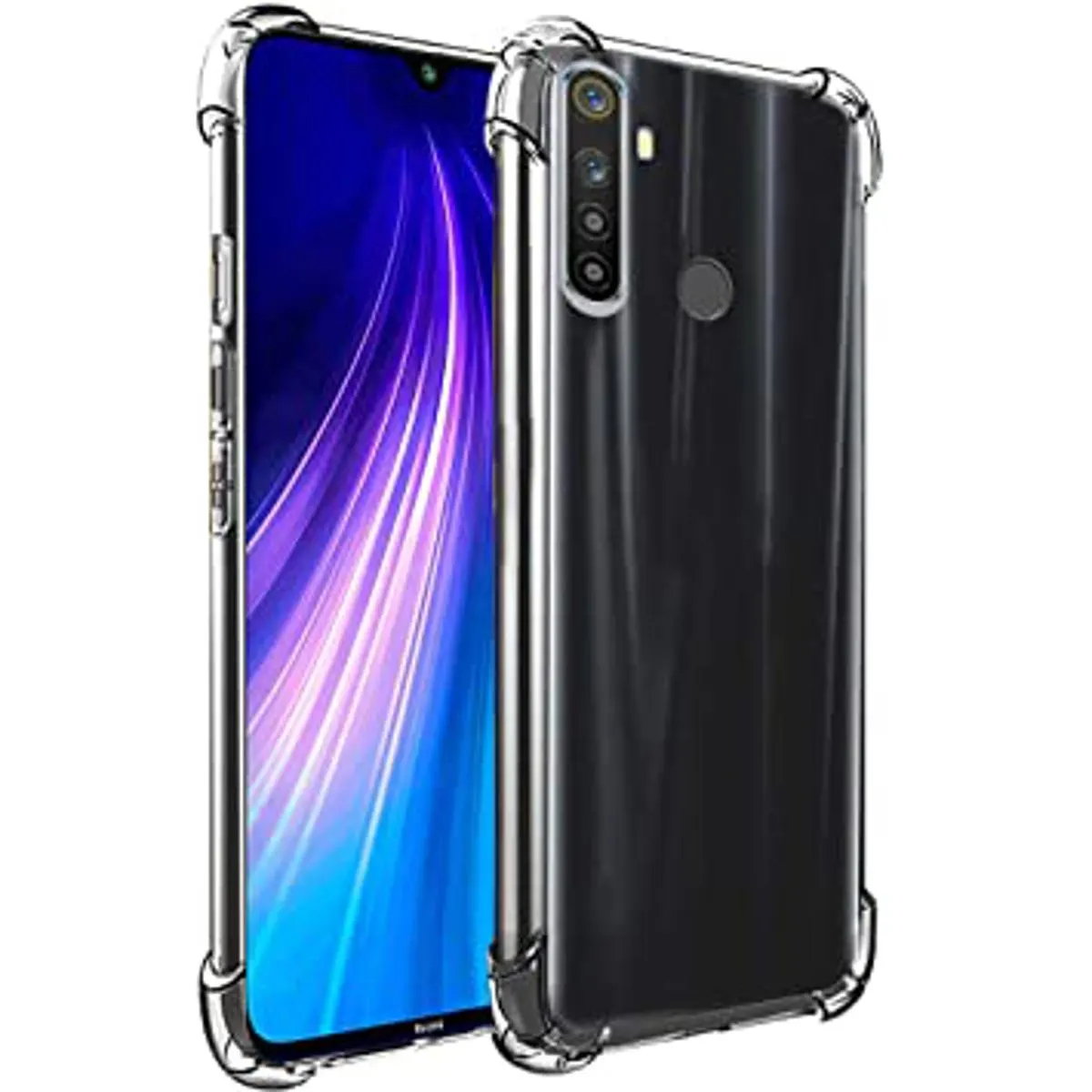
TPU is the default material for mid-range phone cases. It flexes under impact, which gives it good shock absorption for drops from standard heights. It grips surfaces reasonably well and is inexpensive to produce, which is why it dominates the market at the $10–$30 price point [citation:3].
Advantages:
- Excellent shock absorption – flexible material absorbs impact [citation:6]
- Good scratch resistance [citation:6]
- Resistant to tearing and deformation [citation:6]
- Grippy, slightly textured feel [citation:6]
- Cost-effective for volume production [citation:6]
Disadvantages:
- Yellowing over time – UV degradation causes visible yellow tint within 3-6 months for most TPU cases [citation:3]
- Retains heat – phones running intensive tasks generate heat that TPU insulates rather than dissipates [citation:3]
- Aesthetics degrade over time [citation:3]
Best for: Budget-conscious users who replace cases frequently and are not bothered by yellowing. Not ideal for anyone who wants the case to look the same after a year [citation:3].
PC (Polycarbonate) – Rigid and Scratch-Resistant
Polycarbonate is a rigid plastic that provides excellent scratch resistance and structural rigidity. It is the hardest material among common phone case materials [citation:6].
Advantages:
- Excellent scratch resistance – hardest material, highly scratch-resistant [citation:6]
- High durability – maintains shape well [citation:6]
- Excellent clarity – maintains clarity long-term [citation:10]
- Smooth, hard plastic feel [citation:6]
Disadvantages:
- Poor impact absorption – transfers impact to phone [citation:6]
- Can crack on high-impact drops [citation:6]
- Hard, smooth surface can be slippery [citation:6]
Best for: Slim designs where aesthetics trump maximum protection, or as part of hybrid constructions [citation:6].
Silicone – Premium Hand Feel with Grip
Silicone cases offer a soft, rubber-like feel that many users prefer. It provides excellent grip and comfortable handling, making it popular for users who want a premium tactile experience [citation:6].
Advantages:
- Excellent grip – naturally non-slip, soft touch [citation:10]
- Premium hand feel – soft, rubber-like feel [citation:6]
- Good shock absorption – soft cushioning effect [citation:6]
Disadvantages:
- Attracts dust and lint – collects pocket debris [citation:6]
- Stretches and deforms over time – loses shape after months of use [citation:6]
- Poor scratch resistance – soft surface shows wear easily [citation:6]
- Can bottom out on hard impacts – material compresses so phone may still hit ground [citation:6]
Best for: Users prioritizing tactile experience over long-term durability [citation:6].
Aramid Fiber (Kevlar) – Strength Without the Weight
Aramid fiber is a synthetic polymer with a strength-to-weight ratio approximately 5x greater than steel. In phone cases, it is most commonly associated with Kevlar, which is a DuPont-trademarked variant [citation:3].
Advantages:
- Exceptional strength with minimal bulk – 5x stronger than steel [citation:3]
- Non-conductive – zero electromagnetic interference with Wi-Fi, 5G, NFC, GPS, or MagSafe [citation:3]
- Heat resistant – thermal degradation only at approximately 500°C [citation:3]
- Does not yellow – maintains appearance over time [citation:3]
- Ultra-thin profile – as thin as 0.6mm [citation:3]
Best for: Users who want minimal bulk without compromising protection, and anyone using MagSafe or wireless charging who cannot afford signal interference [citation:3].
Leather – Aesthetics with Trade-offs
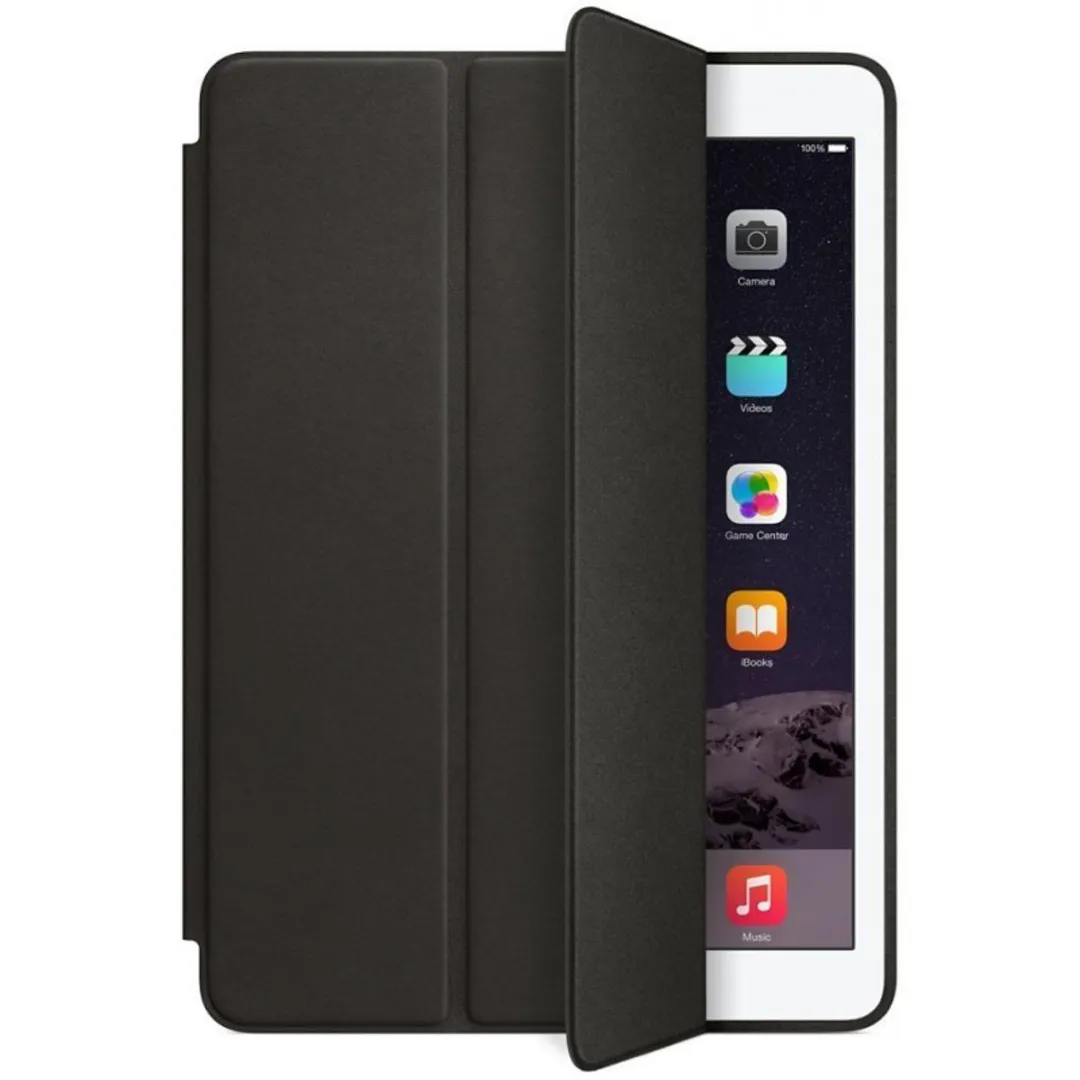
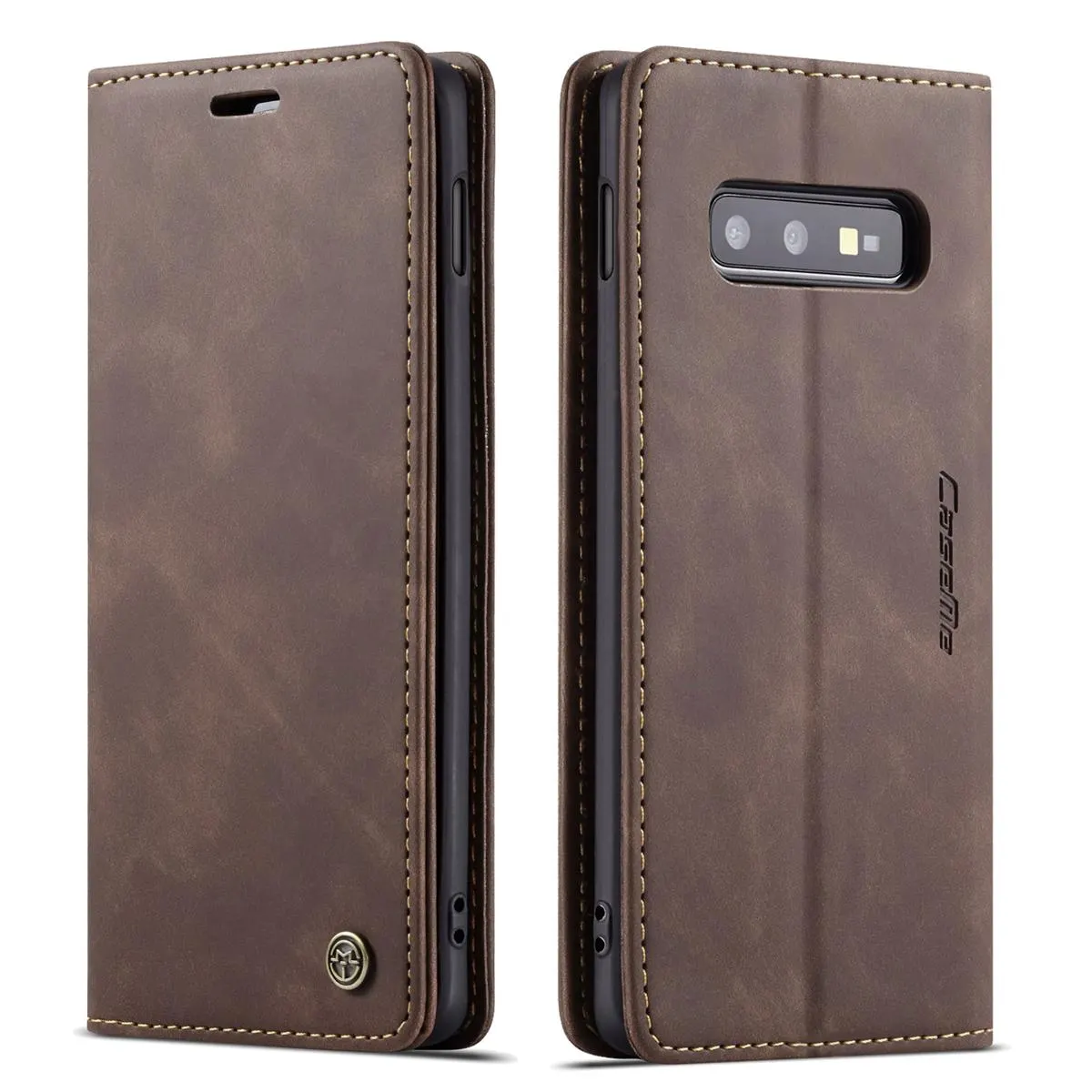
Leather phone cases occupy the premium end of the market on aesthetics. Genuine leather develops a patina over time, which some users find desirable. From a protection standpoint, leather has significant limitations [citation:3].
Advantages:
- Premium aesthetics – develops unique patina over time [citation:3]
- Professional look – sophisticated appearance [citation:3]
- Feels premium in hand [citation:3]
Disadvantages:
- Poor impact protection – does not flex meaningfully on impact, energy transfers directly to phone [citation:3]
- Porous – absorbs moisture causing warping over time [citation:3]
- Heat sensitive – reacts to heat by drying and cracking [citation:3]
- Inconsistent with wireless charging – thick leather can reduce charging efficiency [citation:3]
Best for: Users prioritizing aesthetics over protection and who take their phone out of the case frequently. Not suitable as a primary case in outdoor or high-impact environments [citation:3].
Hybrid Cases – Best of Both Worlds
Hybrid cases combine different materials for optimal protection. Typically, they have a TPU bumper for shock absorption and a hard PC back for rigidity. Hybrid cases consistently outperform single-material cases in drop tests, leveraging TPU shock absorption at impact points and PC structural rigidity for overall protection [citation:6].
Clear Cases – Visibility at a Cost
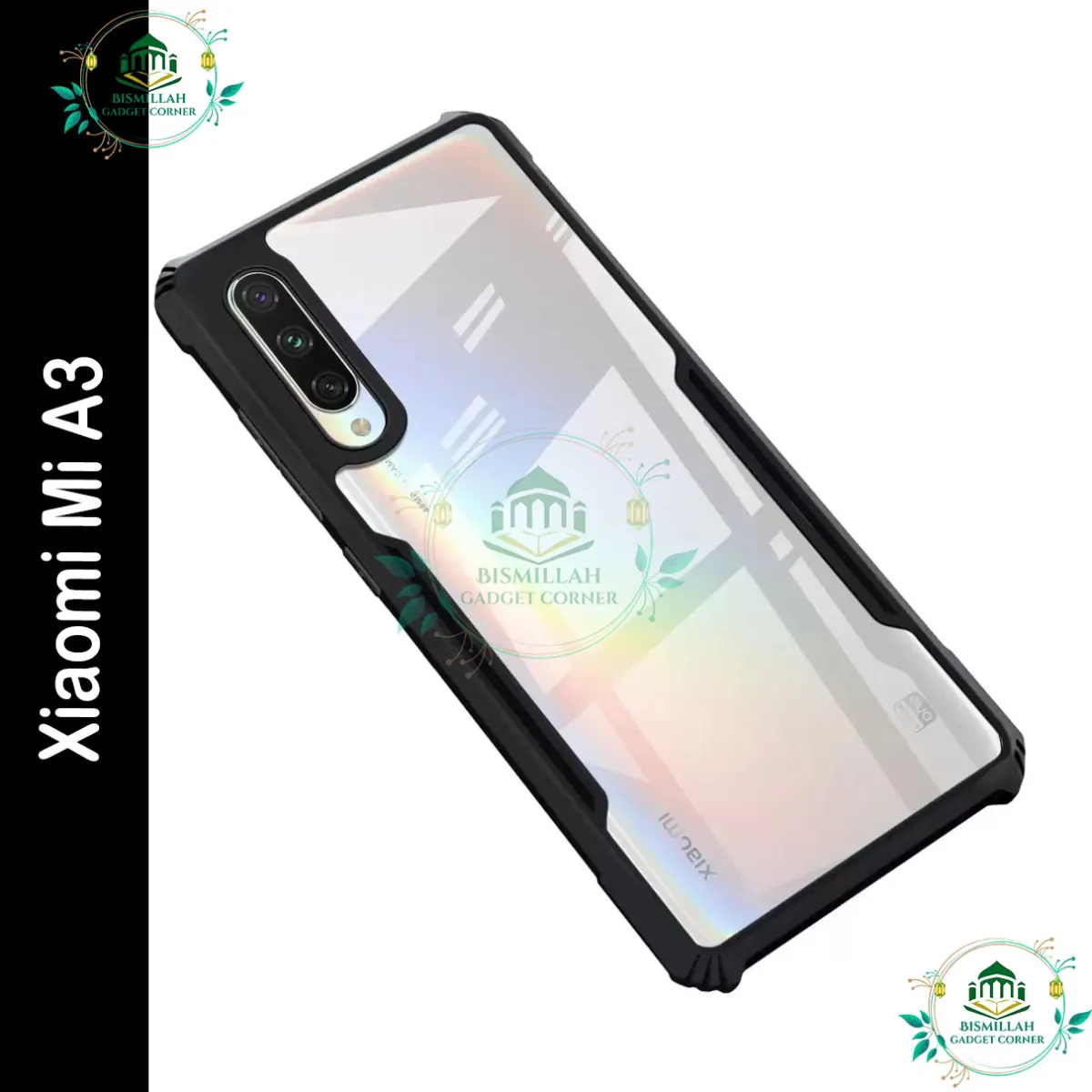
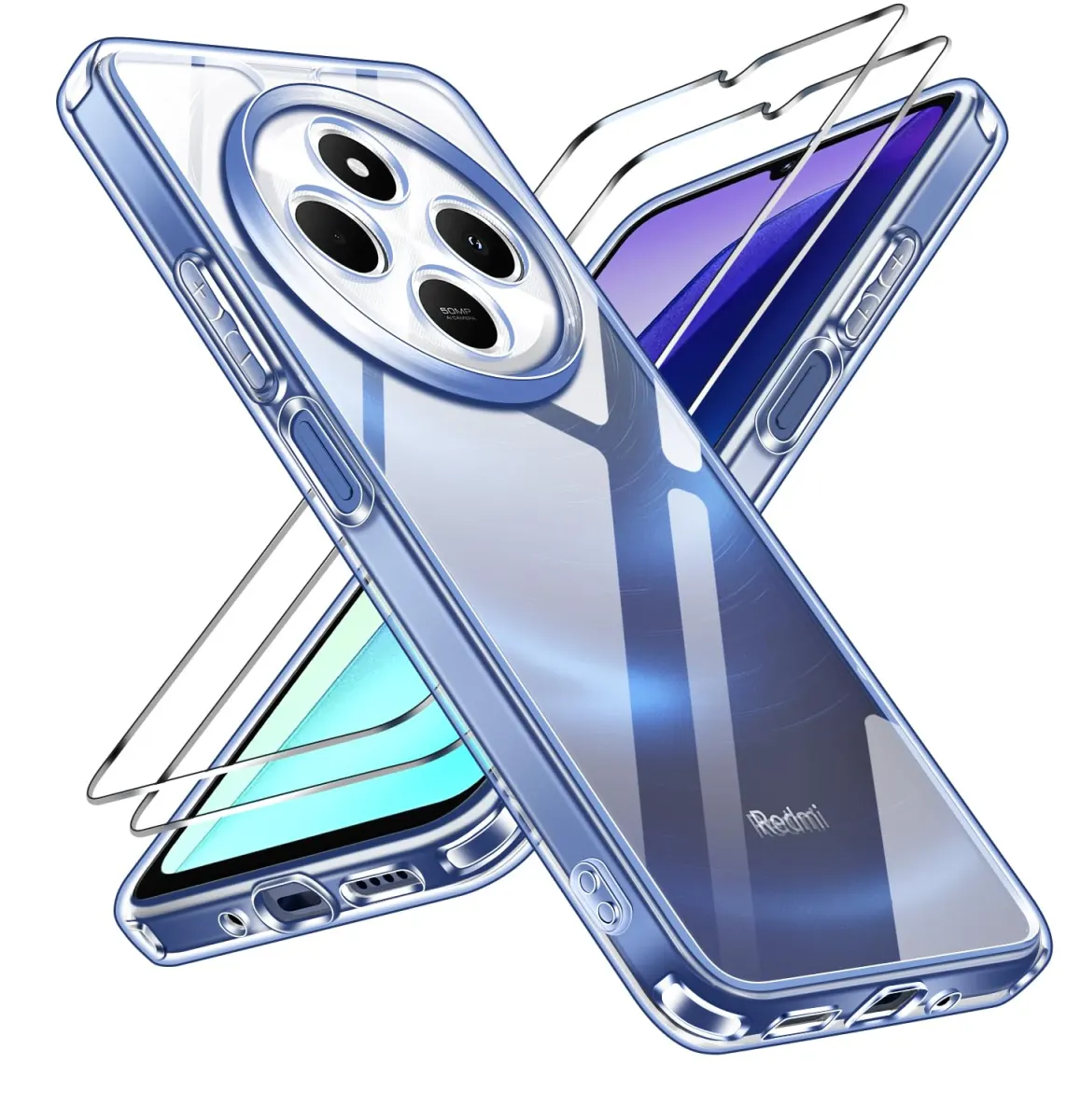
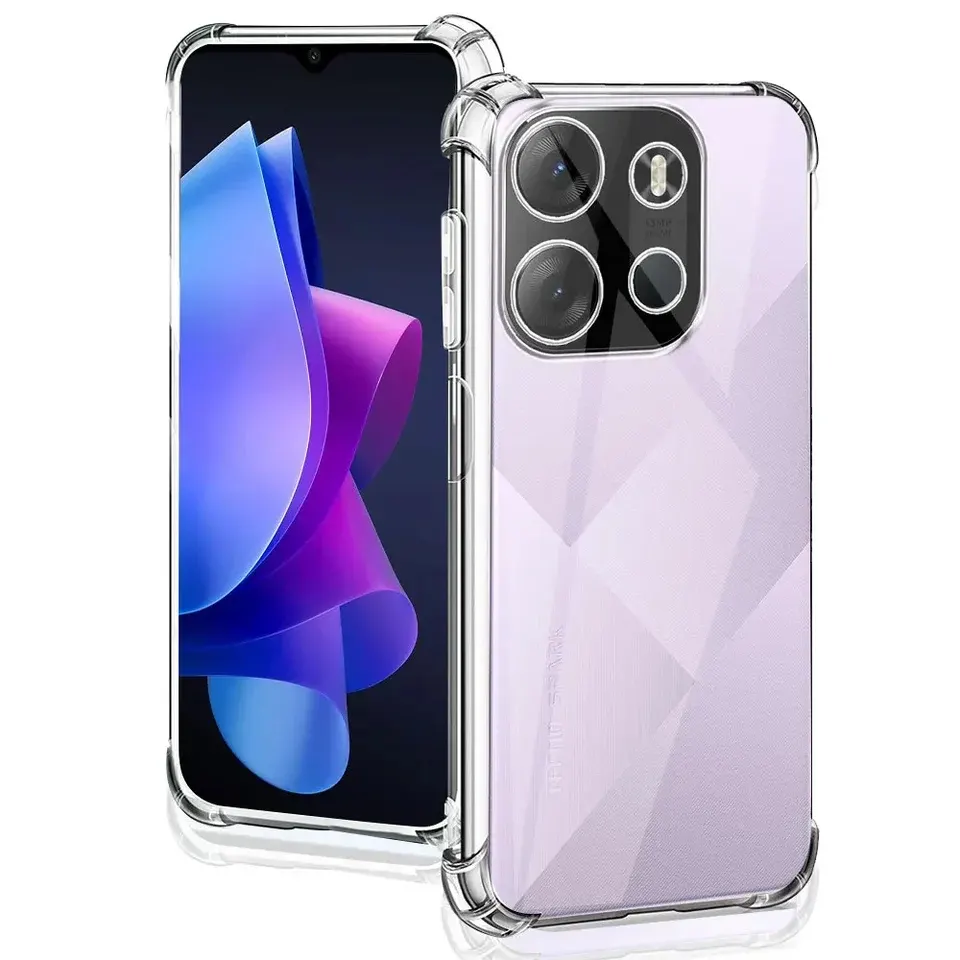
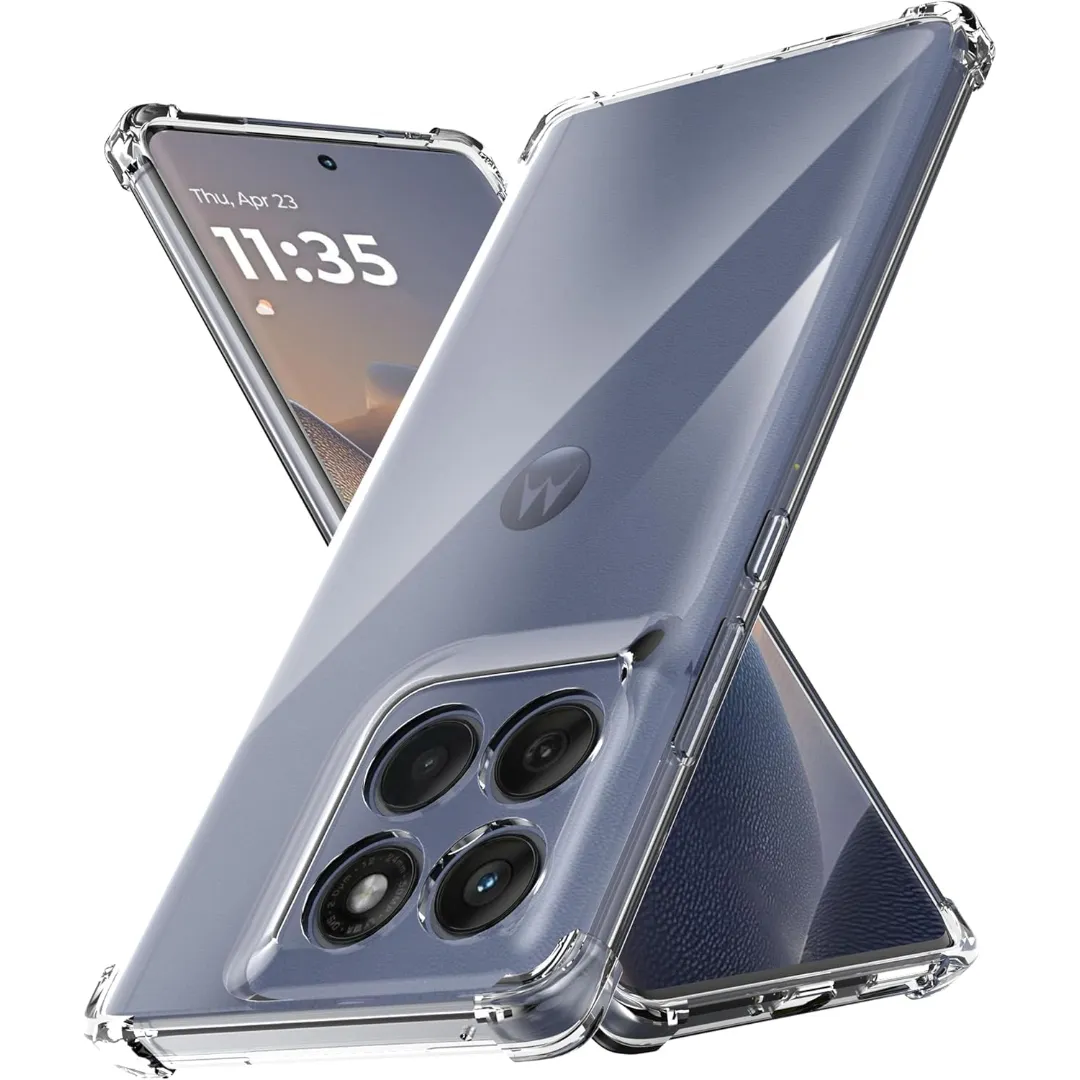
Most clear cases are PC or PC-TPU hybrid. Polycarbonate is rigid and reasonably scratch-resistant. On its own, it offers less impact absorption than TPU. In a hybrid construction, the PC provides structure and the TPU provides the flex needed to absorb drop impacts at the corners, where most phone damage occurs [citation:3].
The yellowing problem affects clear cases faster than opaque ones because the discoloration is immediately visible. Anti-UV additives delay the process, but cannot fully stop it [citation:3].
Carbon Fiber – Signal Interference Issue
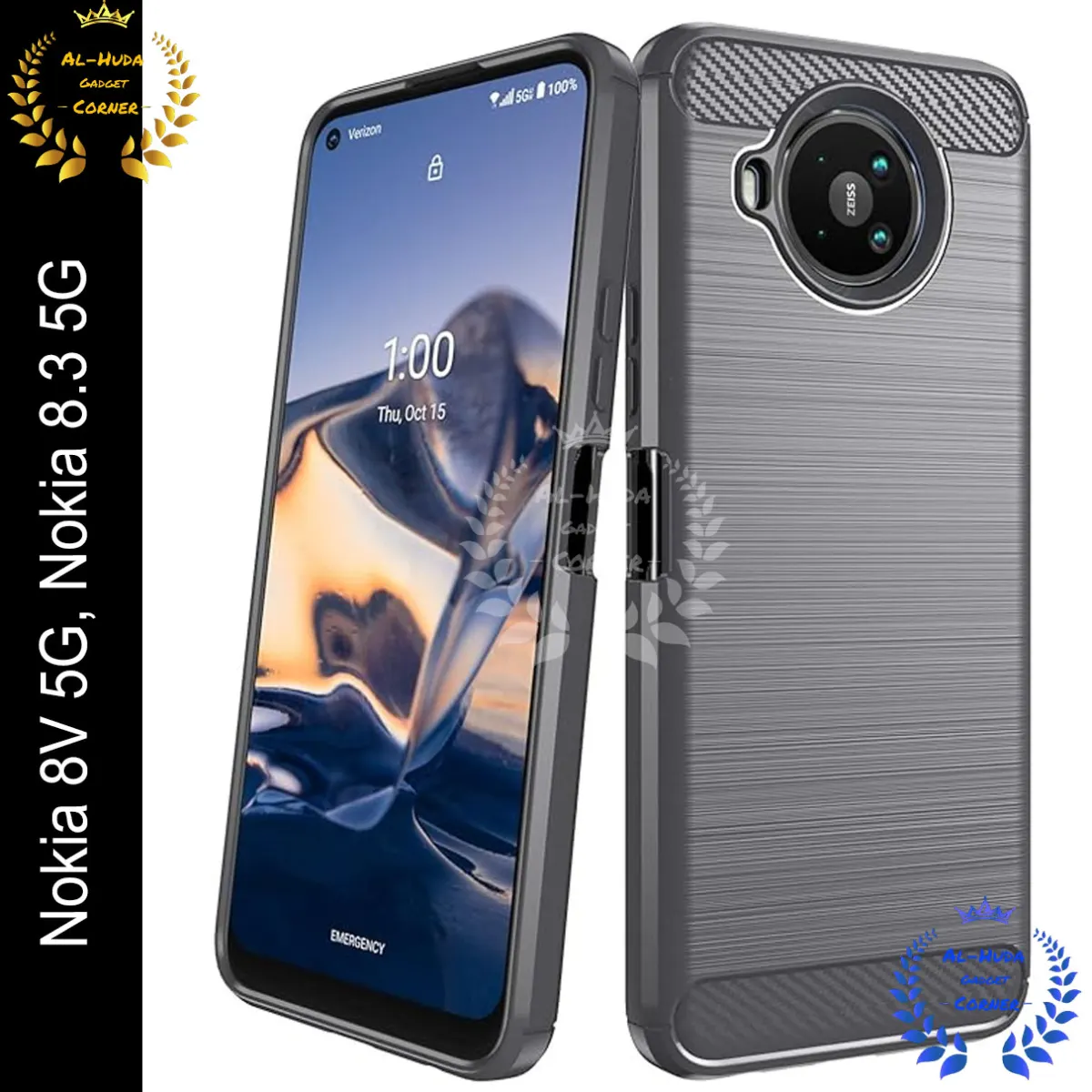
Carbon fiber is electrically conductive, which creates a measurable problem for modern smartphones. Testing shows carbon fiber cases reduce Wi-Fi signal strength by 40-60% and degrade 5G and GPS reception. NFC performance is also affected, which can interfere with contactless payment [citation:3].
For this reason, some brands sell cases with a "carbon fiber look" rather than actual carbon fiber – the visual pattern is printed or embedded in a non-conductive material. Aramid fiber achieves a similar woven appearance while remaining completely non-conductive [citation:3].
Summary Table
| Material | Shock Absorption | Scratch Resistance | Durability | Hand Feel | Yellowing |
|---|---|---|---|---|---|
| TPU | Excellent | Good | High | Grippy | Yes (6-12 months) |
| PC | Poor | Excellent | High | Smooth/Hard | No |
| Silicone | Good | Poor | Low | Soft/Rubbery | No |
| Aramid Fiber | Excellent | Excellent | Very High | Premium | No |
| Leather | Poor | Fair | Low | Premium | No |
All phone cases at mobile.com.bd are 100 percent genuine with official warranty. We carefully source products from authorized distributors to ensure authenticity and quality.
Shop phone cases at mobile.com.bd/phone-cases with official warranty and free delivery. Choose the right material for your phone today.