Mobile Phone Camera Guide 2026 – Megapixels, Sensors, OIS, Zoom Explained
Mobile Phone Camera Guide 2026 – Megapixels, Sensors, OIS, Zoom Explained
Smartphone cameras have become incredibly advanced. But with so many terms like megapixels, OIS, and optical zoom, it can be confusing. This guide explains everything you need to know about mobile phone cameras in 2026.
Megapixels – More Isn't Always Better
Megapixels (MP) determine the resolution of your photos. Higher megapixels allow you to crop and zoom in post-processing. But pixel size matters more for image quality.
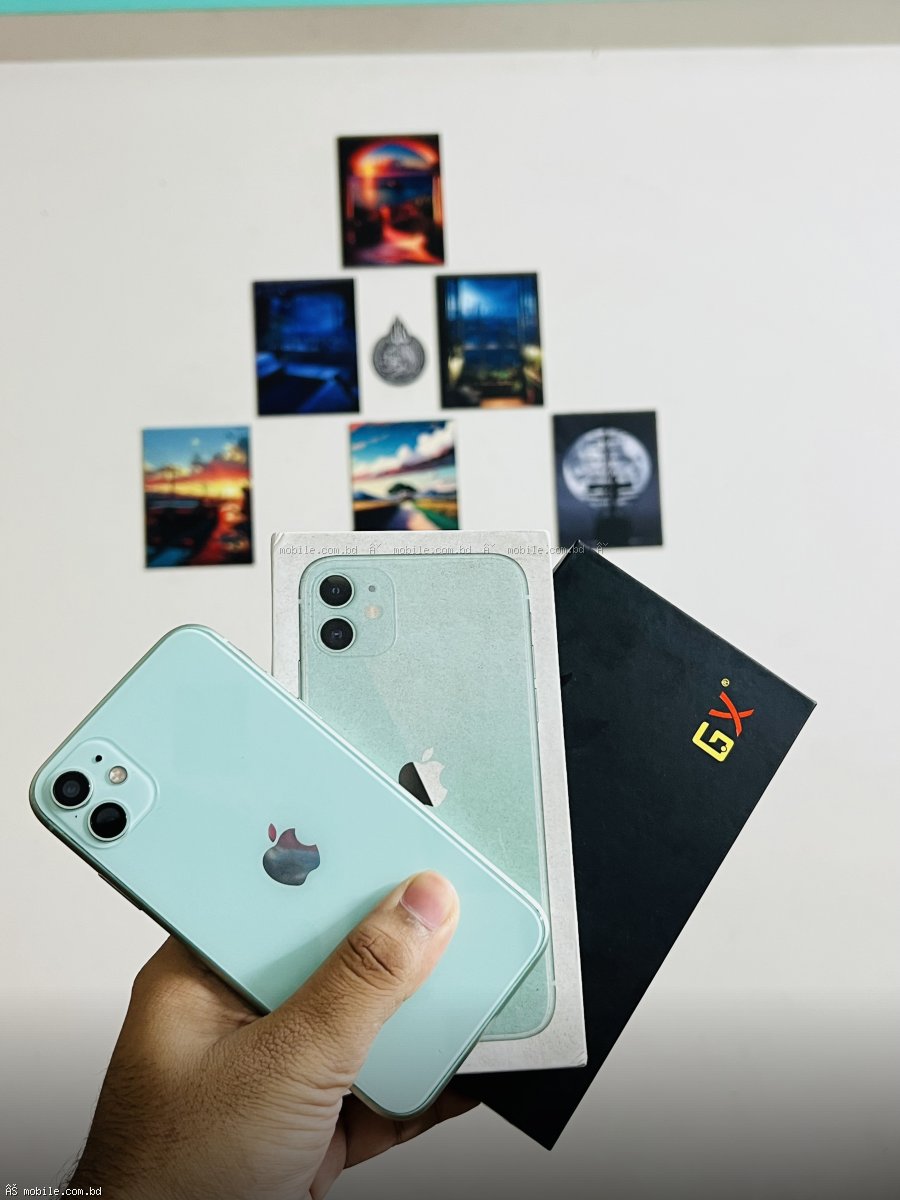
12-16MP: Standard resolution. Good low-light performance because pixels are larger. Found in iPhones (12MP), Google Pixels (12MP).
50MP: Most common in Android phones. Good balance of detail and low-light performance. Phones use pixel binning to combine 4 pixels into 1, resulting in 12.5MP photos with better quality.
108MP: High resolution for detailed crops. Found in Redmi Note 15, Realme Narzo 90 Pro. Pixel binning creates 12-27MP photos.
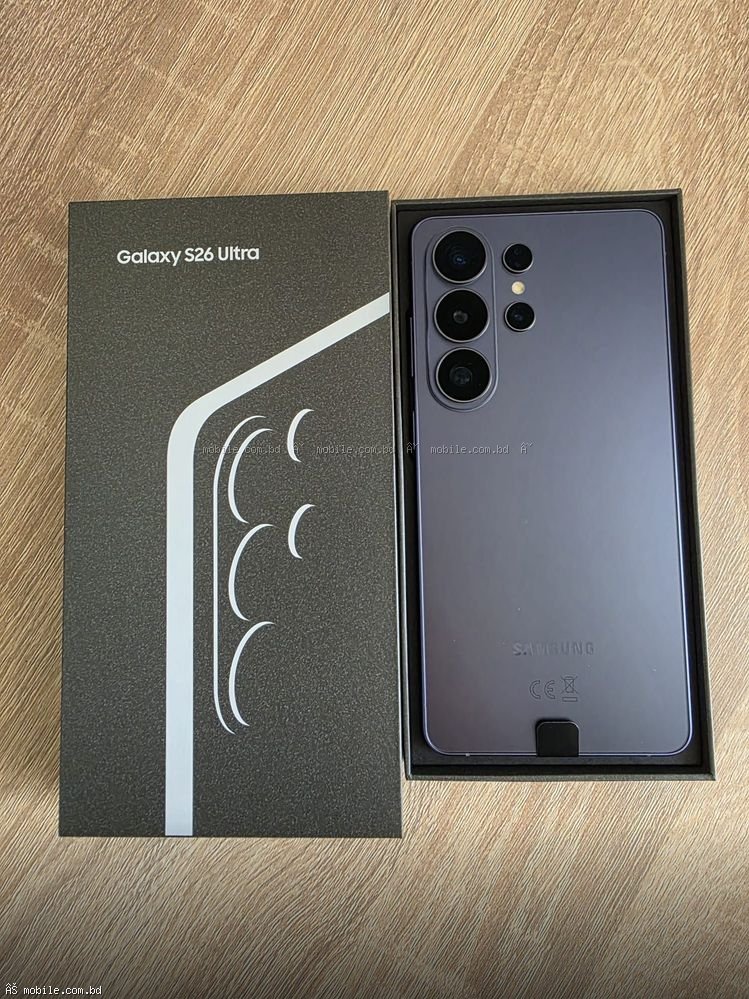
200MP: Highest available. Found in Samsung S25 Ultra, S24 Ultra. Extreme detail, excellent cropping capability.
Sensor Size – More Important Than Megapixels
The sensor size determines how much light the camera captures. Larger sensors capture more light, resulting in better low-light photos, more detail, and natural background blur.
Small sensors (1/2.5 inch to 1/1.7 inch): Found in budget and mid-range phones. Adequate for good lighting.
Large sensors (1/1.5 inch to 1/1.3 inch): Found in flagship phones like Samsung S series. Excellent low-light performance.
1-inch sensors: Found in Xiaomi 14 Ultra. Best-in-class low-light performance and detail.
OIS – Optical Image Stabilization
OIS physically moves the camera lens to counteract hand shake. This results in sharper photos, especially in low light, and smoother videos. OIS is a crucial feature for photography enthusiasts.
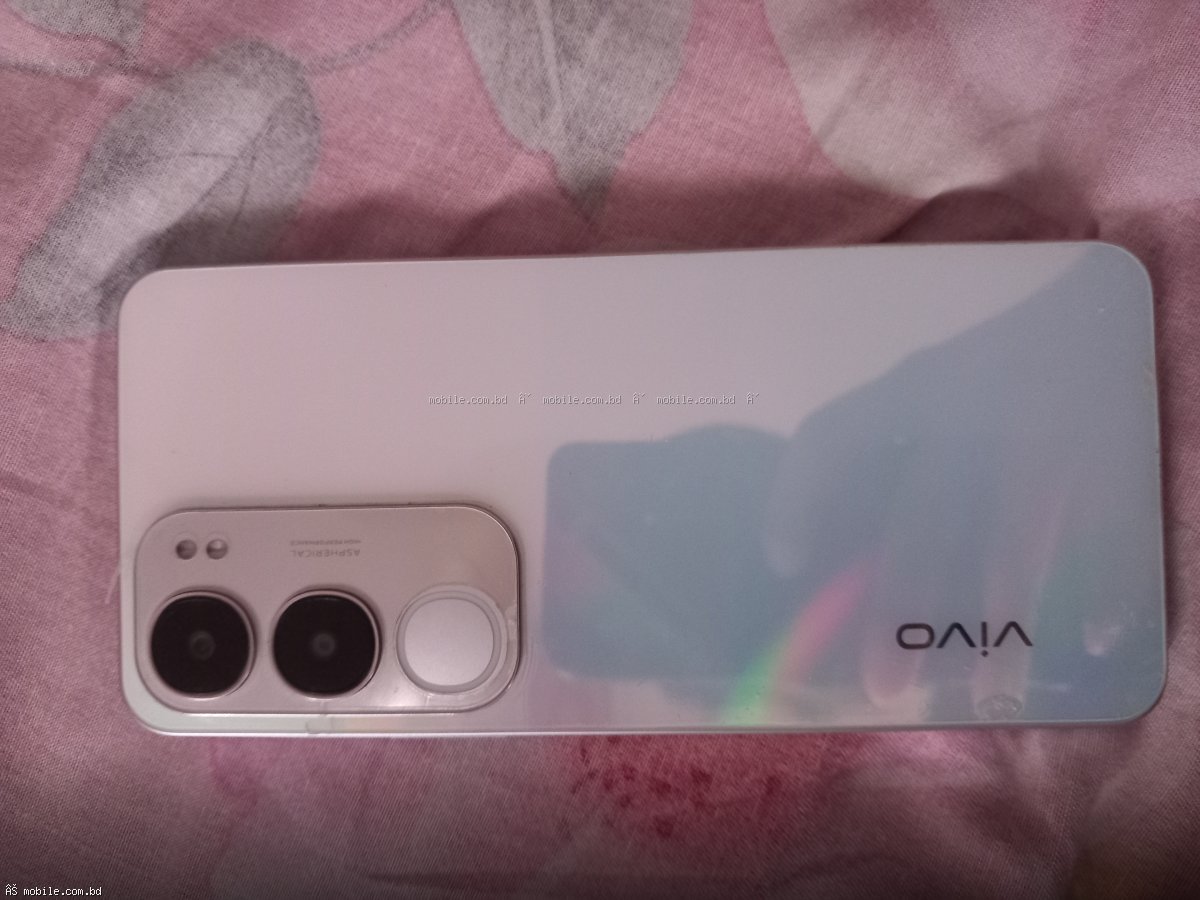
Phones with OIS: Samsung A36, S series, iPhones, Google Pixels, Vivo V70.
Phones without OIS: Most budget phones under 20,000 BDT.
Lenses – Main, Ultrawide, Telephoto, Macro
Main Camera: The primary camera. 24-28mm equivalent. Used for most photos. Quality varies significantly by phone.
Ultrawide Camera: 0.5x zoom, captures wider scenes (120+ degrees). Great for landscapes and group photos. Quality is usually lower than main camera.
Telephoto Camera: 2x, 3x, 5x, or 10x optical zoom. Allows you to zoom without losing quality. Essential for portraits and distant subjects.
Macro Camera: 2-5cm focus distance for extreme close-ups. Usually low quality (2MP or 5MP). Often a gimmick on budget phones.
Optical Zoom vs Digital Zoom
Optical Zoom: Uses physical lenses to magnify the image. No quality loss. Example: 3x optical zoom.
Digital Zoom: Crops and enlarges the image. Quality loss is significant. Avoid digital zoom beyond 2x.
Which Camera Phone Should You Buy
For budget under 20,000 BDT: Look for 50MP main camera with decent sensor. Realme Narzo 90 Pro offers 108MP for detail.
For mid-range 20,000-40,000 BDT: Look for OIS and ultrawide camera. Samsung A36 offers OIS at 24,999 BDT.
For premium 40,000-80,000 BDT: Look for OIS, telephoto lens, and large sensor. Vivo V70, Samsung A56 offer good value.
For flagship 80,000+ BDT: Look for 1-inch sensor, multiple telephoto lenses, and advanced processing. Xiaomi 14 Ultra, Samsung S25 Ultra.
Find the best camera phone for your budget at mobile.com.bd.